Rae lives and farms on Barr Farms with her family. She loves cooking healthy food, trying new things, deep conversations with friends, reading, learning, and playing, especially with her three children.

We won’t have strawberries this year. We’re pretty heartbroken about it, and it’s hard to talk about over and over again, so we asked Christy to put together this article that shares some of our strawberry journey. She does a great job explaining our attempts to raise strawberries amidst the fungus that is affecting strawberry crops up and down the east coast. I've been keeping members informed about the journey in email newsletters.
After I sent a couple of those emails last year, a number of you sent supportive replies, reminding me that they’re CSA members and market goers to support our farm, and for all the great produce we grow throughout the year, not just for the strawberries… and that we didn’t even raise strawberries at all in the first 12-15 years of farming. They reminded me that they’re here to support us through the ups and downs of farming. So thank you for your continued support.
The Strawberry Chronicles
By Christy Ray
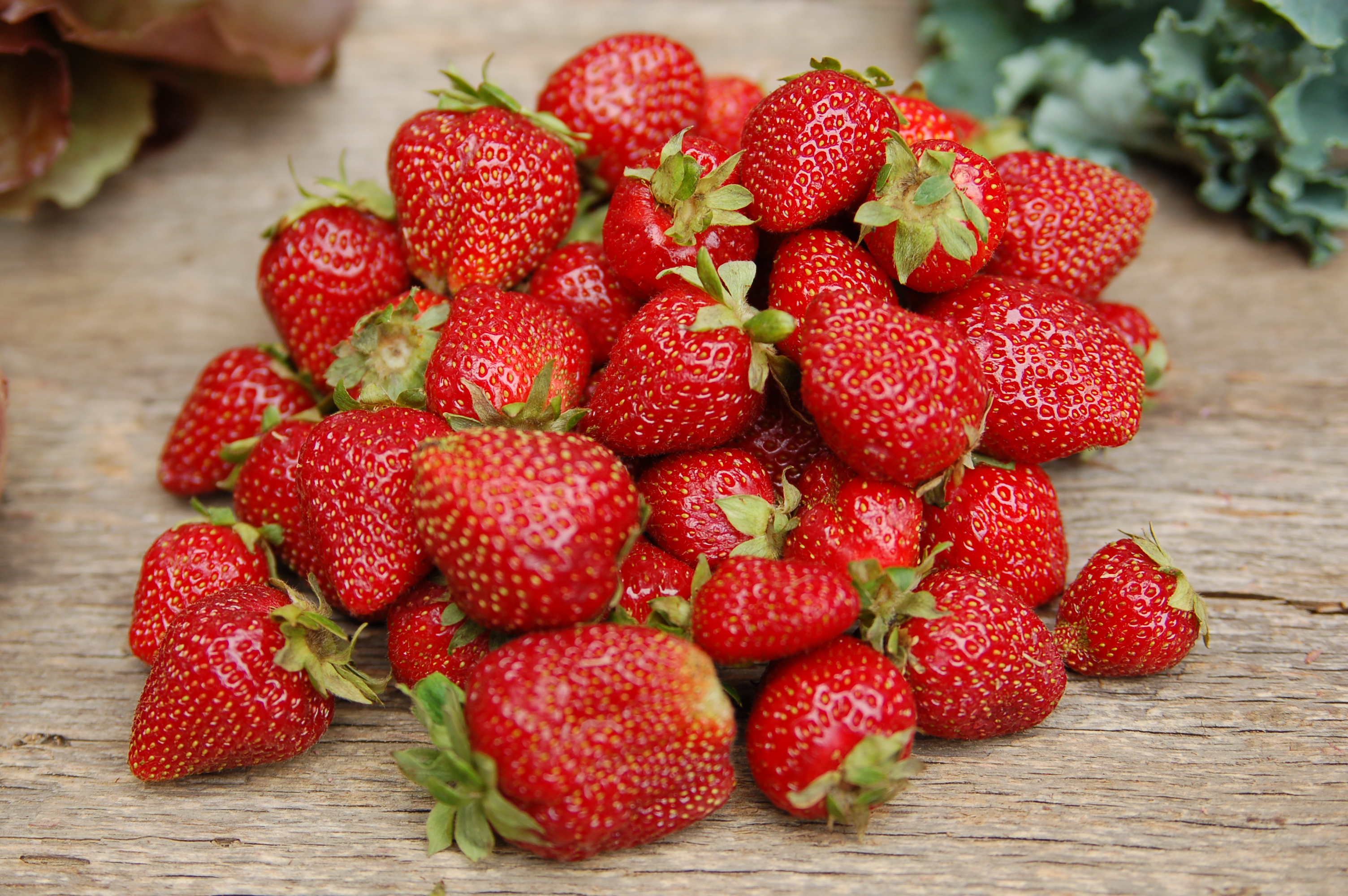
After a long winter, spring brings with it anticipation of fresh yields from our farm. The most prized crop for many – strawberries – will not be making an appearance this year. Here’s why.
In the fall of 2024, the time when we plant strawberry plugs for the following spring harvest, we learned from our supplier that there was a fungus on the strawberry plants and they wouldn’t be able to ship us any plugs. This disease was impacting farms all along the east coast making sourcing healthy plugs nearly impossible.
Neopestalotiopsis (Neo-P) is an aggressive fungal disease that infects strawberry plants' leaves, fruits, roots, and crowns, ultimately killing them. The disease is emerging, so researchers are still trying to answer questions like how long the fungi can survive in Kentucky’s climate and how to best manage it.
Since sourcing plugs was not an option, we decided to try the painstaking process of raising our own strawberry plugs - 7,000 of them! We clipped the runners off the plants in our fields, collected them into bundles, and brought them into a high tunnel to keep them safe. Then, one-by-one, we carefully placed the tips into trays of soil that were misted for 30 seconds at 10 minute intervals using an automatic sprinkler system. It took about two weeks for the green plant material to take root and the roots to be strong enough to take up moisture from the soil instead of from the leaves. Another two weeks after that, we planted the plugs in the beds and covered them for the following season. We were hopeful that we had evaded this daunting Neo-P fungus.
Spring of 2025 produced some strawberries, but it wasn’t our best crop. Later that fall, all of our strawberry plants were dead. To say this was heartbreaking is putting it mildly and it’s a difficult story to tell.
Even after infected plants are removed, fungal spores linger in the soil and plant debris, waiting for the right conditions to re-emerge the following season.
Research in plant pathology has shown that Neo-P thrives in humid environments where moisture remains on plant surfaces for extended periods. Excess moisture creates the perfect breeding ground for fungal spores. This makes disease prevention especially challenging for growers in regions with frequent rain or high humidity.
Adding to the difficulty, Neo-P doesn’t always show symptoms right away. Some plants appear healthy at first, only to develop visible infections once environmental conditions shift. By the time the disease is detected, it has often already spread through spores in the air, soil, and plant debris, making control efforts significantly more difficult.
It may take several seasons to break the fungal cycle. Planting strawberries in infected soil too soon risks another outbreak, even if all visible signs of disease appear to be gone.
At this point, we’re not sure when we’ll be able to successfully grow strawberries again. But, please know this, we will grow them again. We’re watching the research, looking at options available for organic farms, and working on a plan to reintroduce them as soon as feasibly possible.
While this is a huge disappointment, the upside is that Neo-P only affects strawberries. We expect to have healthy blackberries, cantaloupe, and watermelon available for you this year to enjoy. Like you, we look forward to a time when strawberries once again fill our fields and our homes with their sweet bounty.
Sources:
Lost Coast Plant Therapy
National Public Radio
North Carolina State University
University of Florida